What Move-Up Buyers Need to Know About Home Sale & Purchase Contingencies
If you’re a move-up buyer, chances are you’re asking one big question:
“Do I need to sell my current home before I buy my next one?”
The honest answer?
It depends on your situation—and there’s more than one way to do it safely.
Two of the most common strategies move-up buyers use involve contingencies:
-
Buying a home contingent on selling your current home
-
Selling your home contingent on purchasing your next home
Let’s break down what each option means, when it makes sense, and how to decide which approach is right for you.
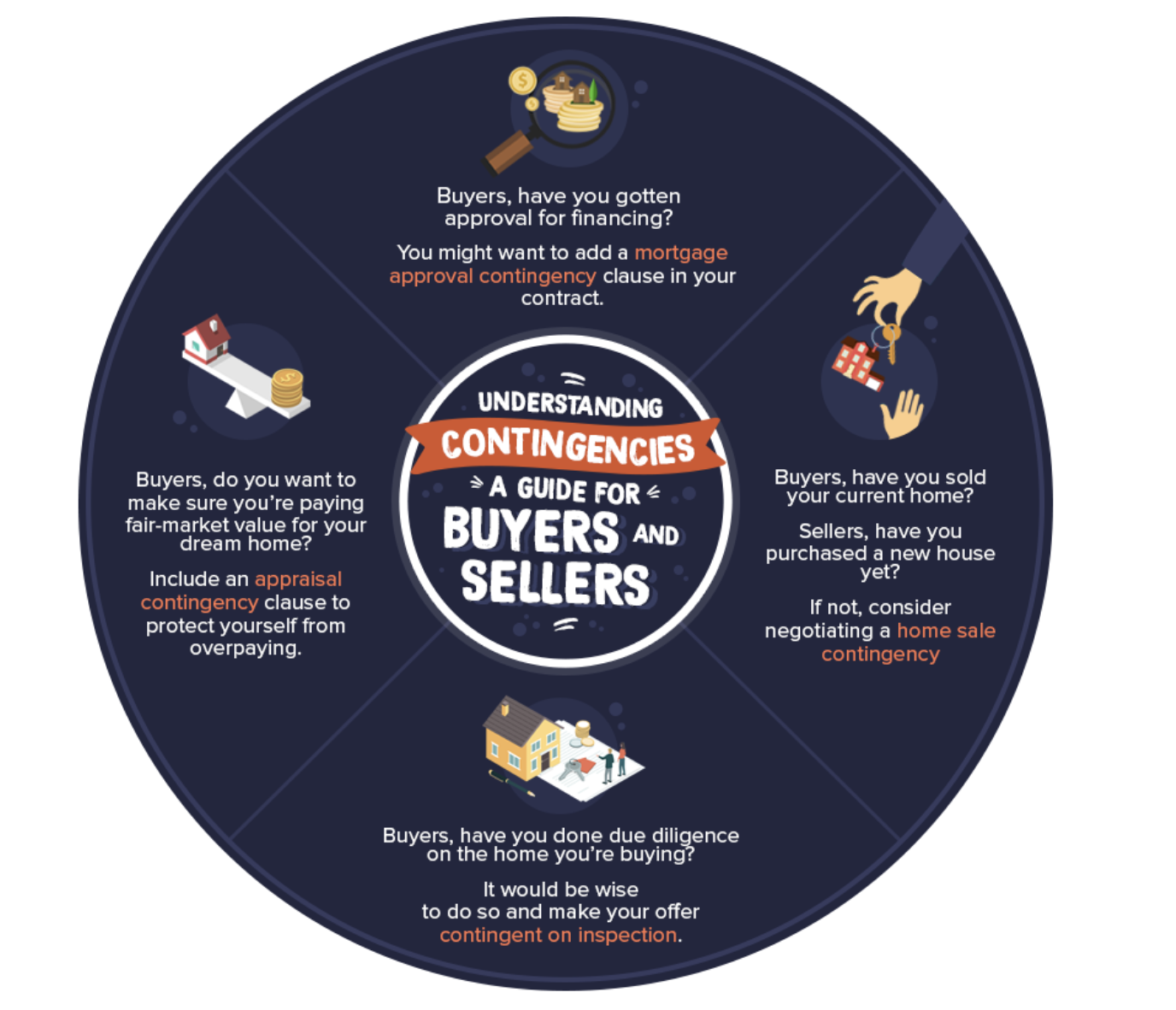
Option 1: Buying a Home Contingent on Selling Your Current Home
This strategy is often called a home sale contingency.
In this scenario, you make an offer on a new home, but your purchase is contingent on your current home selling first. In simple terms, you’re saying:
“I’ll buy this home as long as my current home sells.”
Why Buyers Choose This Option
-
You don’t want to carry two mortgages
-
You need the equity from your current home for your down payment
-
You prefer lower financial risk and more predictability
Pros
-
Reduces financial strain
-
Protects your cash flow
-
Avoids feeling rushed or overextended
Cons
-
Your offer may be less attractive to sellers, especially in competitive markets
-
Some sellers won’t accept contingent offers
-
Timing is critical
When This Works Best
-
Your current home is already listed or under contract
-
Inventory levels are balanced
-
Your home is priced correctly and likely to sell quickly
Option 2: Selling Your Home Contingent on Purchasing Your Next Home
This approach is known as a home purchase contingency.
Here, you accept an offer on your current home, but the sale is contingent on you successfully finding and closing on your next home.
In other words:
“I’ll sell my home—but only if I can secure my next one.”
Why Buyers Choose This Option
-
You don’t want to be temporarily without a home
-
You want to lock in your sale price first
-
You prefer certainty before committing to your next purchase
Pros
-
Prevents you from being forced into short-term housing
-
Allows you to shop with confidence once your home is under contract
-
Gives you a clear understanding of your budget
Cons
-
Some buyers may hesitate to accept the contingency
-
You may feel pressure to find a home within a set timeframe
-
Requires careful coordination and planning
When This Works Best
-
Buyer demand is strong
-
Your home is desirable and well-priced
-
You already have a clear idea of what and where you want to buy
What Many Move-Up Buyers Get Wrong
Many buyers believe their only choices are:
-
Risk carrying two mortgages
-
Rush into the wrong home
But those aren’t the only options.
With the right strategy—pricing, timing, financing, and negotiation—many buyers are able to:
-
Strengthen contingent offers
-
Shorten contingency timelines
-
Coordinate closings more smoothly
-
Reduce stress throughout the process
That’s why planning before you list or start shopping is so important.
How to Decide Which Strategy Is Right for You
Ask yourself:
-
Do I need my current equity to buy my next home?
-
How competitive is the market right now?
-
How quickly would my current home likely sell?
-
Am I comfortable carrying two homes temporarily?
-
What feels more stressful—financial risk or housing uncertainty?
There’s no one-size-fits-all answer. The right strategy is the one that aligns with your goals, finances, and comfort level.
The Bottom Line
Buying and selling at the same time doesn’t have to feel overwhelming—but it does require a plan.
Whether you:
-
Buy first with a home sale contingency, or
-
Sell first with a home purchase contingency
The right approach can protect your finances, reduce stress, and help you move forward with confidence.
If you’re thinking about making a move and want to understand which option makes the most sense for you, getting clarity early can make all the difference.